
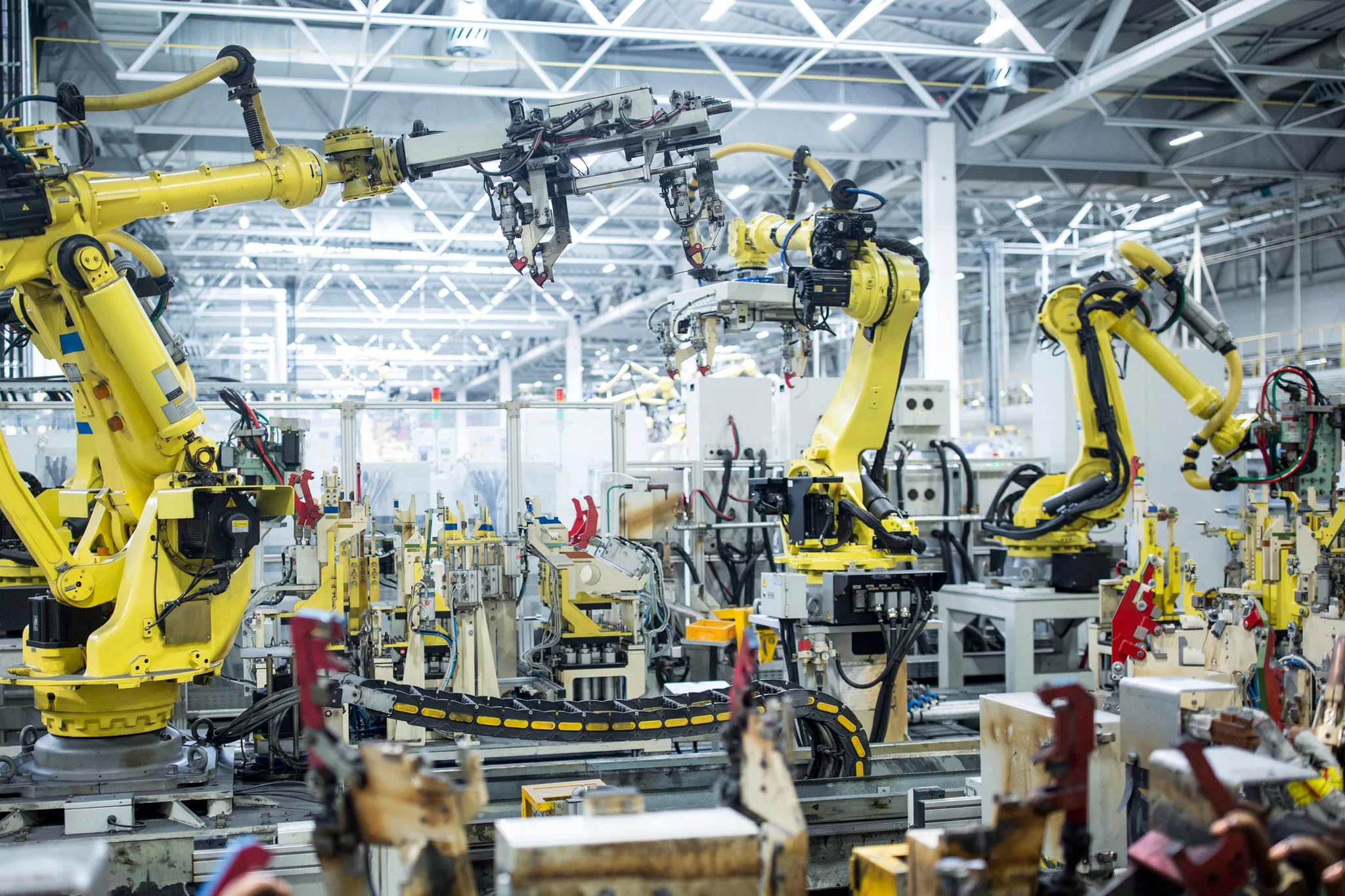
Equipment Manufacturing

Manage engineer-to-order specifications, complex BOMs, long-lead procurement, constrained production, serialised equipment and after-sales service through one ERP.

Keep Engineering, Production and Delivery on the Same Build

Industrial equipment is rarely manufactured exactly the same way twice. Customer specifications change, engineering continues after the order is won and long-lead components must be committed before the final assembly is complete. IEV brings engineering, procurement, production, project cost, quality and service into one equipment manufacturing ERP system, giving teams control over what is being built, which revision applies, what is holding progress and whether the machine will meet its delivery and margin targets.


ONE CONNECTED EQUIPMENT LIFECYCLE

One Machine Record From Specification to Service

A customer requirement shapes the configuration. The configuration creates engineering and material demand. Material readiness determines what production can release. Assembly and testing decide when delivery can happen. The as-built record then becomes the foundation for installation, warranty and service. IEV keeps this entire lifecycle connected, so every department works against the same equipment identity, revision and commercial commitment.

EQUIPMENT MANUFACTURING WORKFLOWS

Every Stage of the Build. Fully Accounted For.

Customer Requirement & Order Configuration

Equipment orders often begin with a standard platform but quickly develop customer-specific dimensions, capacities, options, accessories and performance requirements. If these decisions remain in quotations, emails and technical notes, the commercial order and manufacturing requirement begin to diverge.

IEV keeps the agreed configuration connected to the customer order. Standard items, selected options and engineered requirements can be structured into the build, giving engineering, procurement and production a clear definition of what must be delivered.

  • Customer and Enquiry-Wise Technical Requirement Capture
  • Standard, Make-to-Order and Engineer-to-Order Build Definition
  • Product Option, Accessory and Configuration Management
  • Customer Order and Delivery Milestone Control
  • Preliminary Material, Capacity and Delivery Review
  • Order Value, Scope and Commercial Commitment Visibility

Engineering, BOM & Revision Release

Engineering may continue after procurement has started and production orders have been opened. A revision can replace a component, alter fabricated parts or change the sequence of work, making its impact broader than the drawing itself.

IEV manages the approved product structure through multi-level BOMs, routings and revision status. Teams can compare the change with the current build, identify affected material and control when the new requirement becomes effective for purchasing and production.

  • Multi-Level Equipment, Assembly and Component BOMs
  • Drawing, Specification and Technical Document Reference
  • Draft, Approved, Released and Superseded Revision Status
  • Engineering Change Request and Approval Management
  • Previous and Revised BOM Comparison
  • Revision Effectivity by Order, Date or Equipment Serial Number

Material Planning, Procurement & Subcontracting

Equipment manufacturing depends on a combination of standard inventory, fabricated parts, bought-out assemblies and long-lead components. One missing item can prevent an otherwise complete machine from reaching assembly or testing.

IEV converts the released build structure into purchase, production and subcontracting requirements. Planners can see readiness at the assembly level, while procurement can follow critical components from requirement and order through supplier delivery, inspection and issue.

  • BOM-Based Material and Component Requirement Planning
  • Stock, Allocation, Open Order and Shortage Netting
  • Long-Lead and Critical-Component Monitoring
  • Supplier Commitment, Receipt and Inspection Tracking
  • Subcontract Material Issue, Receipt and Reconciliation
  • Assembly and Production Order Material-Readiness Visibility

Fabrication, Assembly & Testing

A machine may be in production while different subassemblies are spread across fabrication, machining, welding, electrical assembly, outside processing and final integration. Overall completion percentages cannot show which dependency is holding the build.

IEV follows each assembly through its defined routing and records progress at the operation level. Production, rejection, rework and downtime remain connected to the relevant equipment order, giving planners a current view of completed work, remaining operations and delivery risk.

  • Fabrication, Machining, Welding and Assembly Routing
  • Work-Centre and Resource-Wise Production Scheduling
  • Subassembly and Operation-Level Progress Booking
  • Material Consumption, Output, Rejection and Rework Capture
  • Final Assembly, Inspection and Performance-Test Recording
  • Planned Versus Actual Hours, Cost and Completion Review

Serialisation, Delivery & Service Lifecycle

The manufacturing record should not end when the equipment is dispatched. Installation, commissioning, warranty, component replacement and future service all depend on knowing exactly what was supplied and how the machine was built.

IEV creates an as-built record against the final equipment serial number and carries it into post-delivery activity. Service teams can reference installed components, warranty terms and previous work without maintaining a separate history outside the ERP.

  • Final Equipment and Subassembly Serial Number Management
  • Serialised Component-to-Equipment Mapping
  • As-Built BOM and Quality Record Preservation
  • Packing, Dispatch, Installation and Commissioning Tracking
  • Warranty, Service Request and Maintenance History
  • Spare-Part and Component Replacement Recording

BUILT FOR EQUIPMENT MANUFACTURING

Control Every Decision Behind the Finished Machine

Engineer-to-Order & Configuration Management

Build standard, configured, and engineer-to-order equipment through strictly controlled product structures. Keep customer-specific options, subassemblies, and technical requirements permanently attached to the relevant order. This ensures engineering and production teams work from the exact configuration without creating disconnected records, directly protecting your final product quality and sales revenue.

Multi-Level BOM & Revision Control

Manage multi-level BOM changes through strictly defined revision and approval stages. Compare structural versions, instantly identify affected materials, and pinpoint exactly which production orders use each specific revision. This eliminates the risk of obsolete drawings or outdated components reaching fabrication and assembly, stopping costly manufacturing errors before they occur.

Long-Lead Material & Procurement Planning

Translate the approved equipment build structure directly into exact component and procurement requirements. Compare live demand against physical stock, allocations, open purchase orders, and supplier commitments. Buyers can instantly prioritise critical long-lead items, allowing planners to distinguish genuine material readiness from merely expected parts to keep assembly lines moving.

Fabrication & Assembly Capacity Scheduling

Plan fabrication, machining, welding, assembly, and testing against the exact resources already committed to other active builds. Expose capacity constraints, material dependencies, and operation-level progress accurately. This prevents bottlenecks before you promise delivery dates to customers or attempt to insert priority work into an already fully loaded factory schedule.

As-Built Equipment Record & Serial Tracking

Track serialised components, purchased assemblies, and manufactured parts directly into the final equipment serial number. Every delivered machine retains a permanent, exact record of what was actually installed on the shop floor. This strict traceability supports rapid quality investigations, validates warranty decisions, and accelerates spare-part identification for future aftermarket sales.

Field Service & Warranty Lifecycle Management

Keep installation, commissioning, warranty, maintenance, and replacement history permanently connected to the equipment that left your factory. Service teams begin their work with the complete original build record. Management gains total financial visibility into field obligations, ongoing service costs, and the continuing commercial revenue value of every installed asset.

Run Every Equipment Build From One System